In Kürze
Worum geht es in dem Podcast?
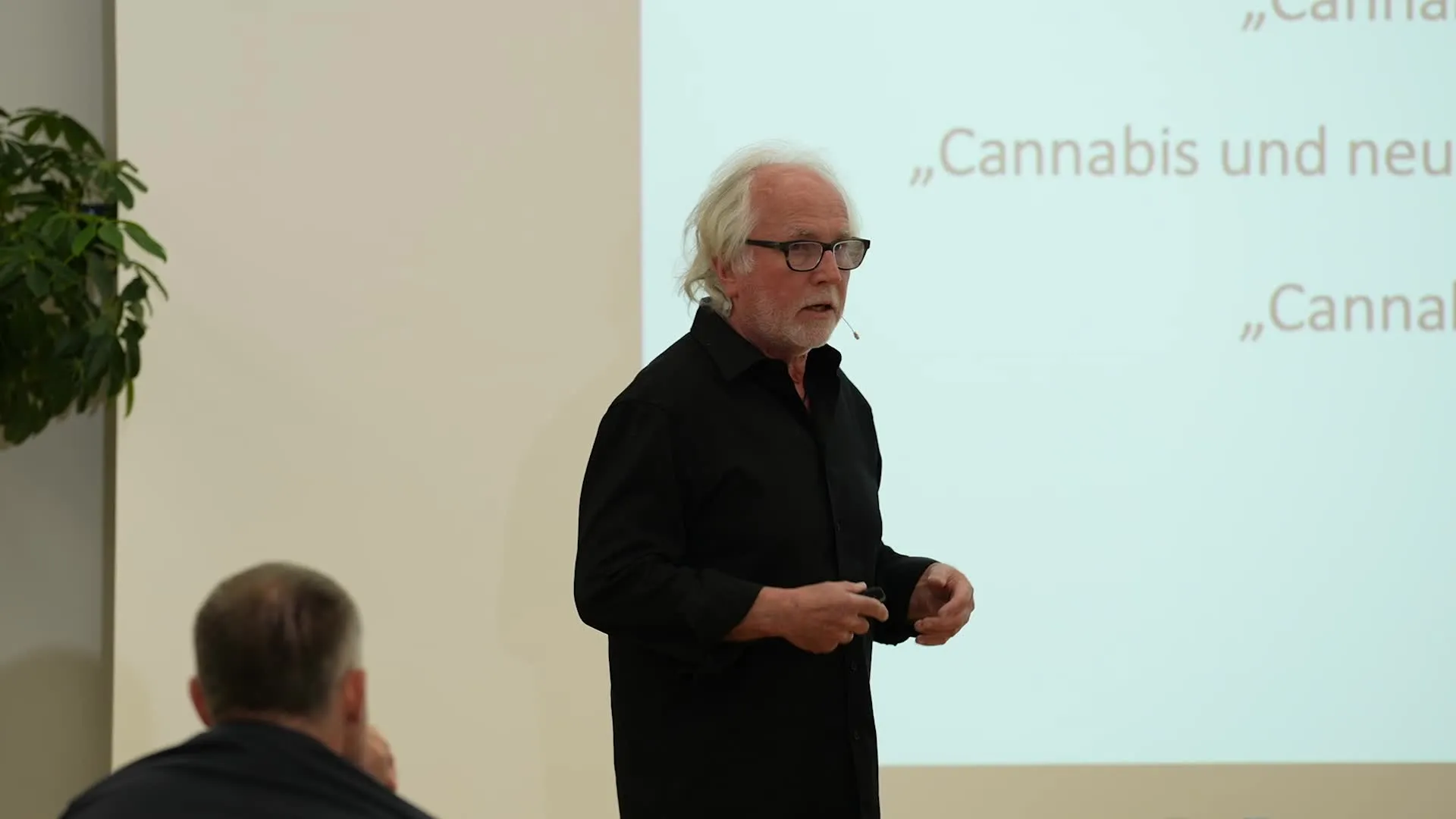
Dr. med. Dipl.-Chem. Konrad F. Cimander, a specialist in general medicine and addiction medicine and head of the Competence Center for Holistic Cannabis Medicine in Wedemark, opens his trailer talk for the Circle of Experts 2026 in decidedly political terms. As president of the medical specialist society, he argues that cannabis medicine in Germany must be negotiated not only as a clinical but also as a health-policy question — beginning with the fundamental clarification of whether cannabis is to be classified as a plant, as a phytopharmaceutical or as a regular medicine.
Cimander speaks from 35 years of addiction-medicine practice with more than 4,500 heroin-dependent, polydrug-using patients and deliberately situates cannabinoids in the field of tension between medical indication and societal consumption. For the first time, he argues, a prescribable medicine overlaps in a broad gray area with recreational use — a constellation that brings 61 years of illegality and early experiences in HIV care in the 1990s as historical context. Pharmacologically, he refers to the activation of THC through decarboxylation (release of CO2 on heating) and to the five major indication areas: mental health, pain, tumor, neurology and addiction.
In the second part, he names the care gap: despite an evidence base that has grown from 4,500 to 15,000 studies in just one and a half years, patients cannot find treating doctors. Colleagues shy away from prescribing because of looming conflicts with health insurers, missing fee-schedule codes and the high counseling effort. With 437,000 doctors in Germany — for the first time in 2025 with a proportion of women above 50 percent — Cimander at the same time sees generational momentum: in his cannabis lecture in Göttingen, 80 percent of the audience are young women. The talk thus frames the 2026 congress as a place where the reality of care, regulatory hurdles and the scientific progress of cannabis medicine are brought together.
Drei Formate an einem Tag - der Circle of Experts
Fachvorträge
Klinische Praxis aus Schmerz- und Palliativmedizin, Neurologie, Pharmakologie, Pflege und Apotheke. Kurze Slots, hoher Praxisbezug, Q&A direkt im Anschluss.

Fachdiskussionen
Moderierter Austausch zwischen Klinik, Praxis, Apotheke und Pflege. Themen werden vorab gesammelt und gemeinsam priorisiert.

Netzwerken
Klinik, Praxis, Apotheke und Pflege kommen in kleinen Tischrunden gezielt miteinander ins Gespräch, vertiefen Kontakte aus dem Tagesprogramm und knüpfen neue Verbindungen.
Die Fachexpert:innen
Klinik, Forschung, Apotheke und Pflege — die Sprecher:innen kommen aus den Bereichen, in denen Medizinalcannabis täglich angewendet wird.
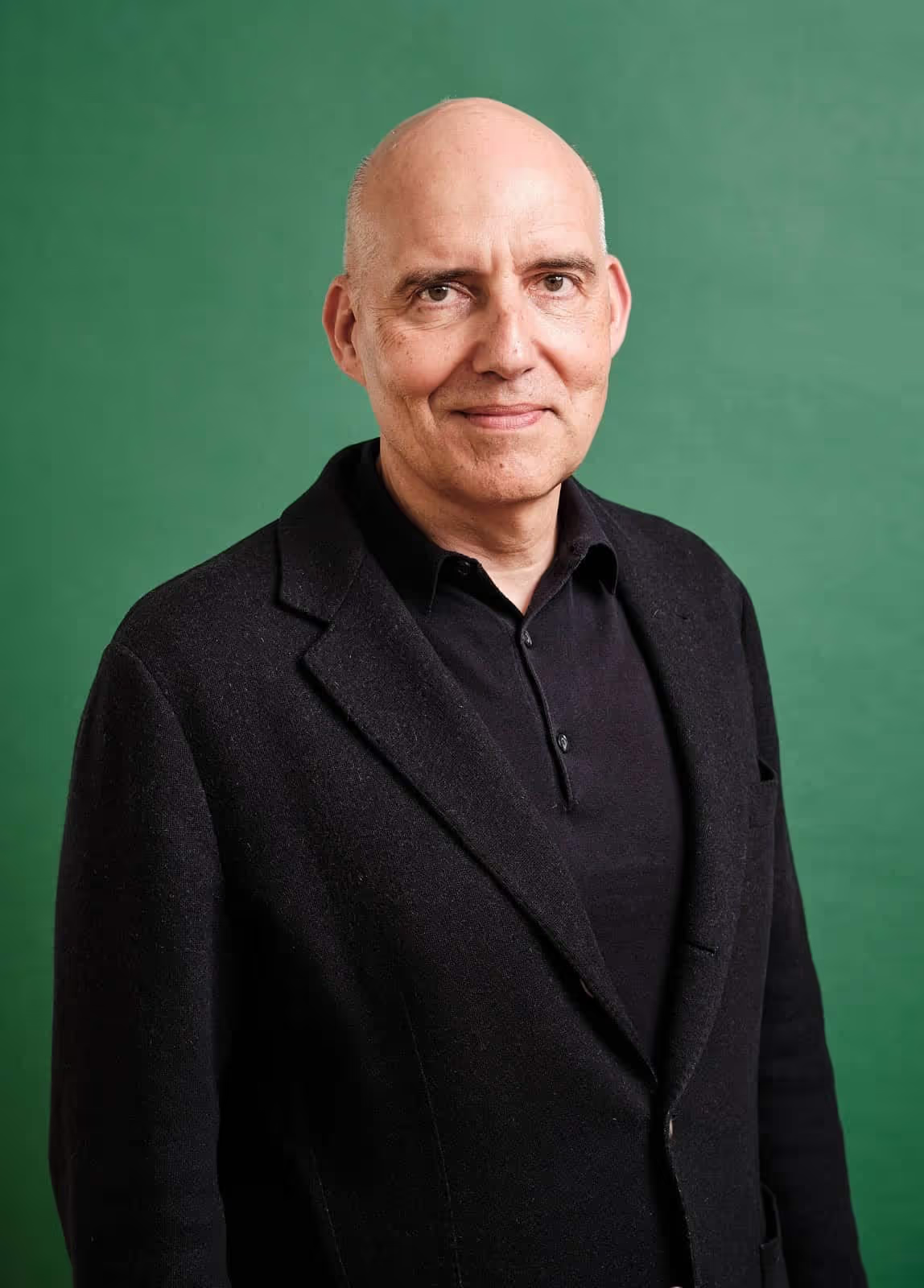
Prof. Dr. mult. Eckhard Nagel
Prof. Dr. mult. Eckhard Nagel is Managing Director of the Institute of Medical Management and Health Sciences at the University of Bayreuth. At the Circle of Experts, he examines the ethical aspects of medical cannabis therapy and advocates for real-world studies.

Prof. Dr. med. Thomas Herdegen
Prof. Dr. med. Thomas Herdegen is a specialist in pharmacology and toxicology and was for many years deputy head of the Institute of Experimental and Clinical Pharmacology at UKSH Kiel. He is co-author of the Cannabis practice guideline and recipient of the German Pain Award 2024.

Dr. med. Dipl.-Chem. Konrad F. Cimander
Dr. med. Dipl.-Chem. Konrad F. Cimander is a specialist in general and addiction medicine, heads the K.C.M. Hannover Competence Center for cannabis medicine and is President of the German Medical Cannabis Society (DMCG). He is a lecturer on addiction medicine, psychopharmacology and cannabis medicine.


Dr. med. Matthias Giesel
Dr. Matthias Giesel is a specialist in anesthesiology and heads the pain clinic at Marienkrankenhaus Soest as well as the practice for pain therapy and palliative medicine at the Hospitalverbund MVZ Soest. He works as a consultant to the pharmaceutical industry on medicinal cannabis.
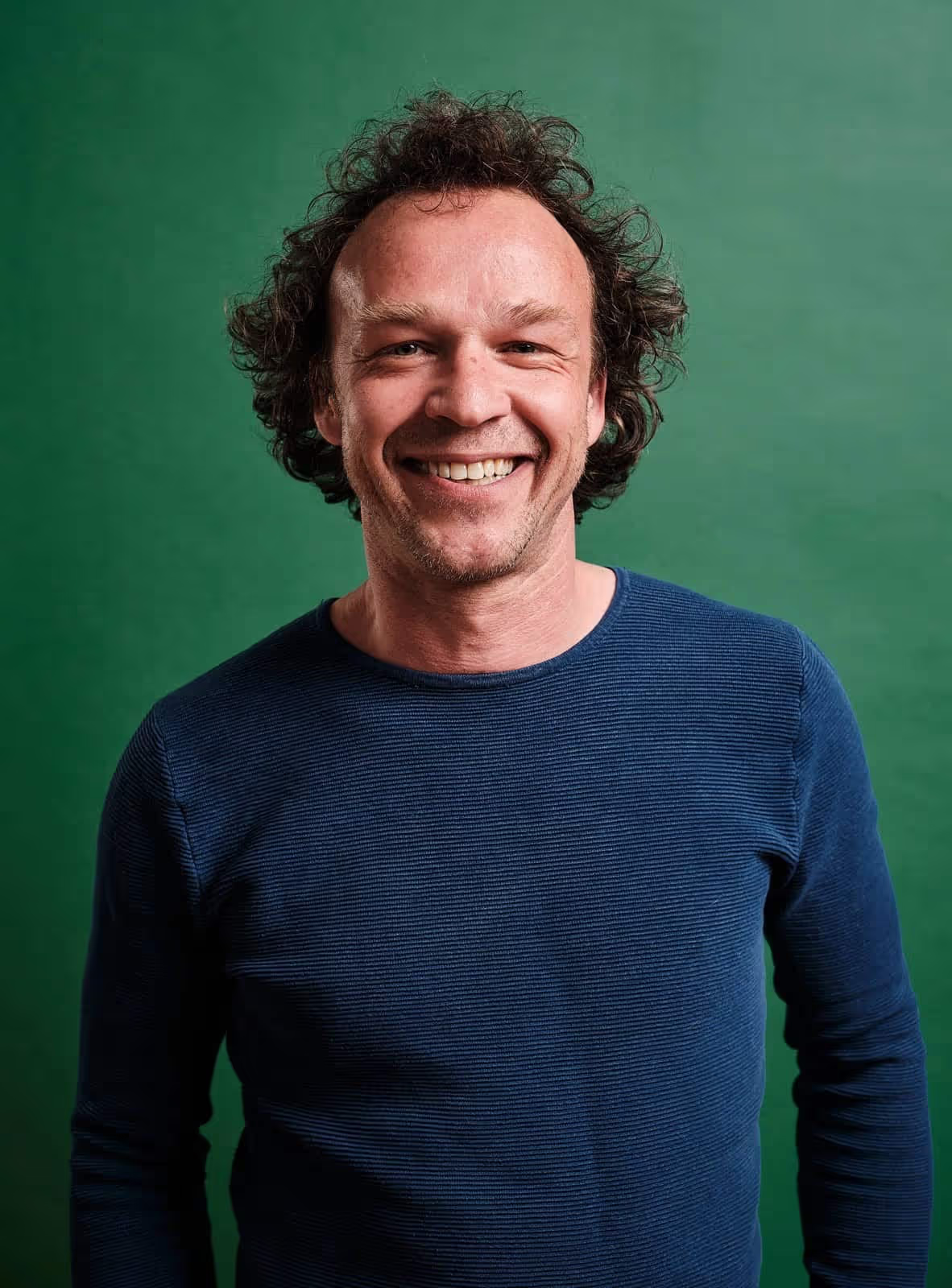
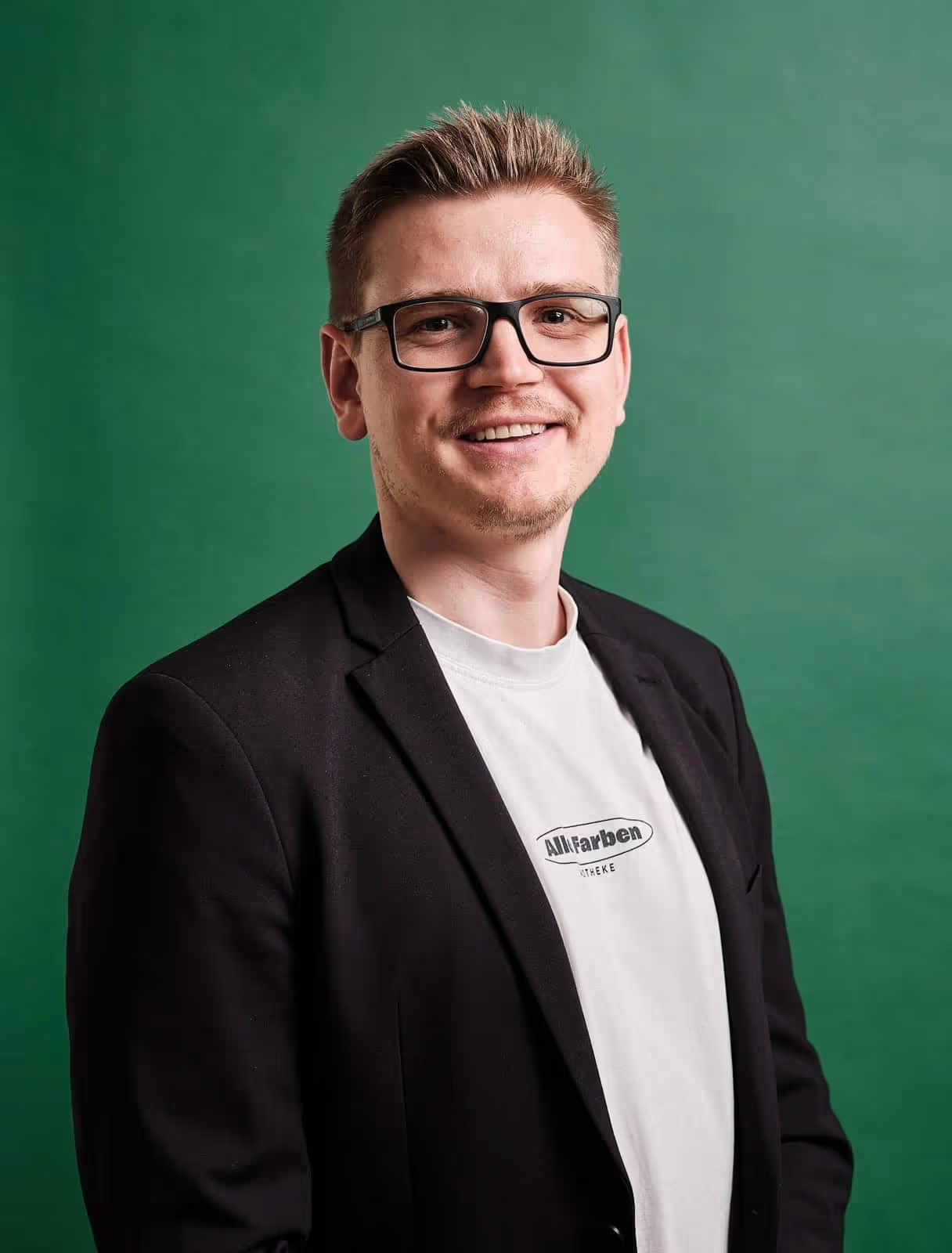
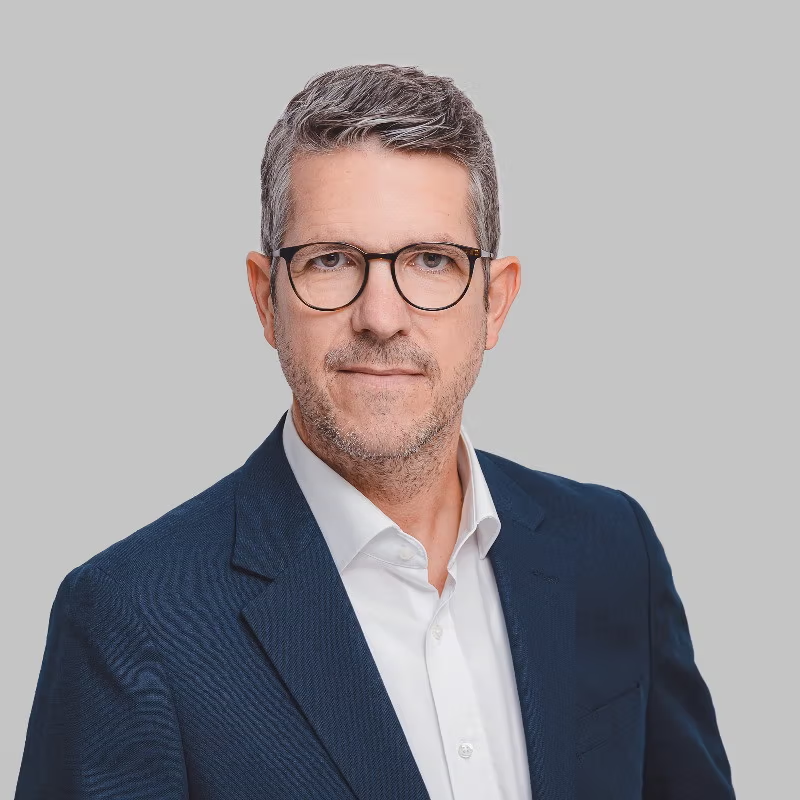
Sascha Saßen
Sascha Saßen holds a degree in nursing management (Diplom-Pflegewirt), is a certified pain expert (CEKIP) and has been CEO of the hesena Group since April 2025. At the Circle of Experts he spoke on pain management in inpatient long-term care and on the medication process in nursing and palliative care.
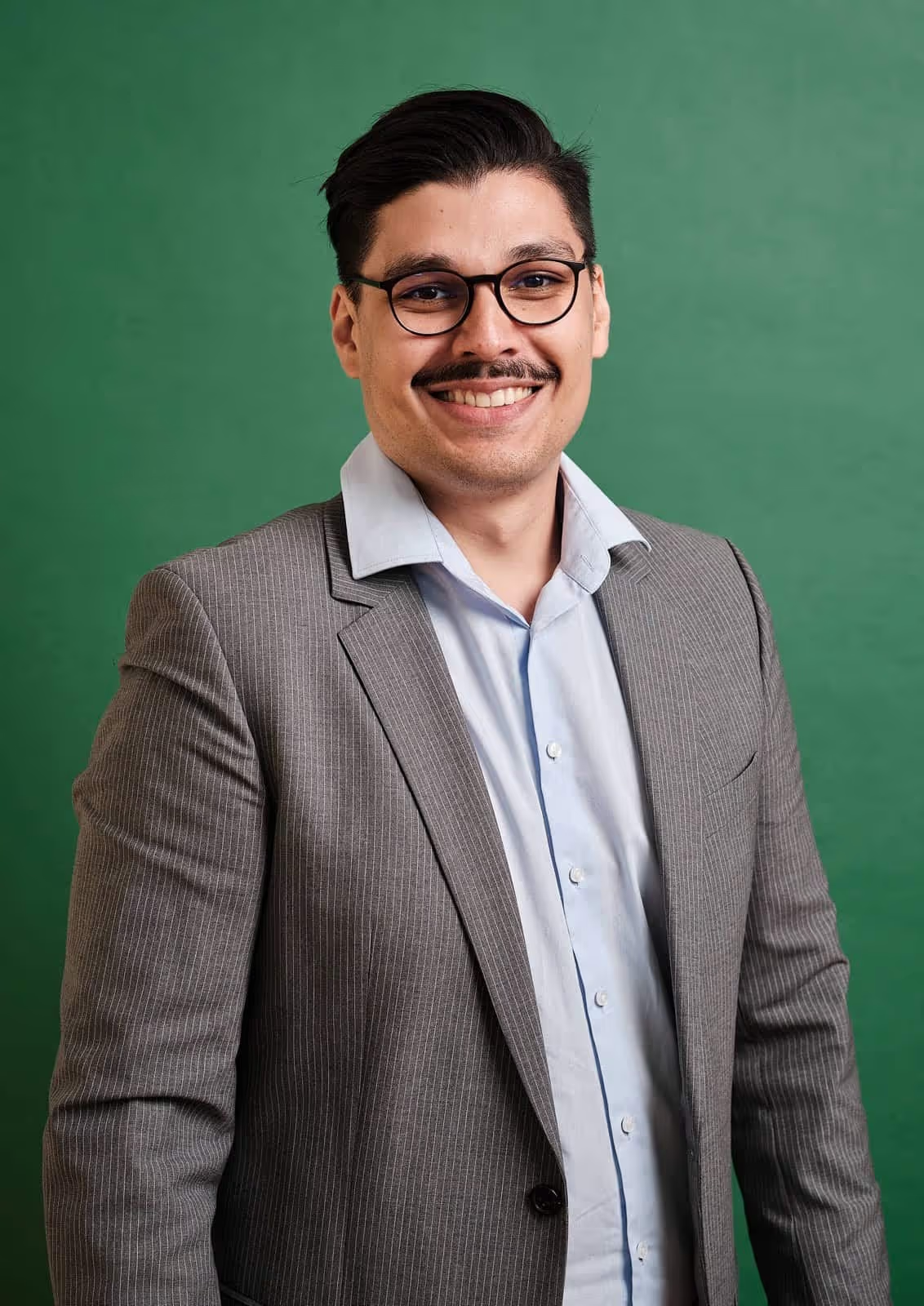
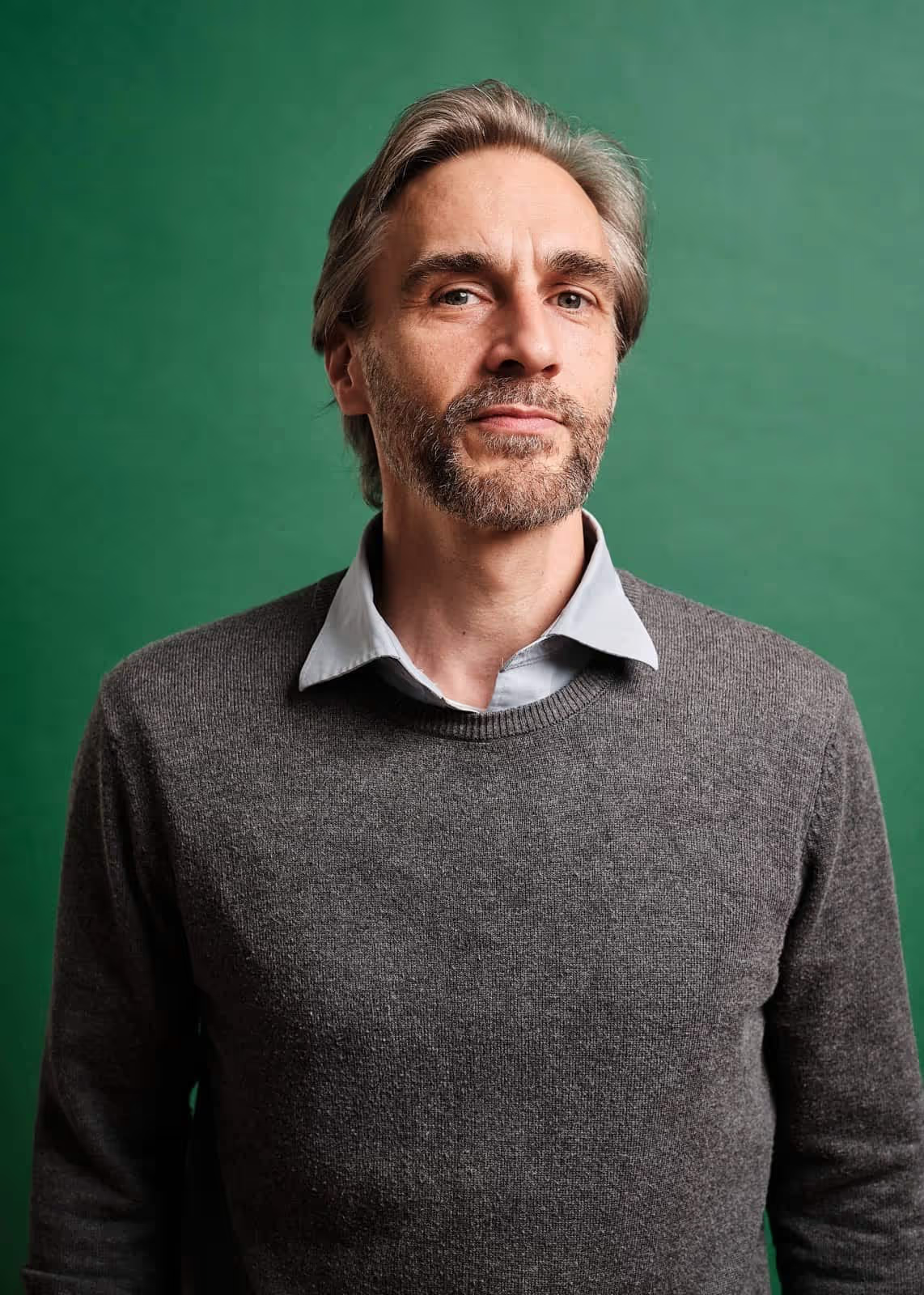
André Ihlenfeld
Dr. André Ihlenfeld is a specialist in anesthesiology and a pain physician, as well as Medical Director at Copeia, where he is responsible for projects on patient-reported data collection under cannabis therapy (including the Physicians Experience Platform). He is co-author of publications on cannabis-based medicines.
Weitere Informationen
- [00:10] — A political topic: what is cannabis — plant, phytopharmaceutical or medicine?
- [00:51] — Cannabis medicine and cannabinoids are highly complex, with their own risks
- [01:40] — 61 years of illegality: cannabinoids already used for AIDS patients in the 1990s
- [02:33] — Patients cannot find treating doctors: colleagues fear trouble with insurers and a lack of reimbursement
- [03:26] — 437,000 doctors in Germany — the proportion of women above 50 percent for the first time
Ich habe ganz bewusst heute, auch als Präsident der Fachgesellschaft, Thomas Herdegen hatte ja schon darauf hingewiesen, auf den Kongress ein politisches Thema gewählt. Weil ein Vorsitzender einer medizinischen Fachgesellschaft muss ja auch politisch sein. Was ist es eigentlich? Eine Pflanze, ein Phytopharmakon, oder ist es auch ein Medikament?
Und ich sag immer auch, ich komme ja aus dem Drogenbereich, bin Suchtmediziner, habe 35 Jahre polytoxikomane Patienten behandelt — 4.500 Heroinabhängige, das ist schon ein straffes Programm gewesen. Und die haben natürlich ganz viele zusätzliche Drogen zusätzlich zur Substitution genommen, auch Amphetamine. Und auch Cannabis wirkt, wie gerade von Nagel gesagt wurde, kontextabhängig. Cannabismedizin und Cannabinoide sind hochkomplex. Wir kommen noch auf die Gefahren dieser Pflanze. Hier sehen wir ganz viel Medizin. Wir sehen aber auch etwas, was ich meinen Patienten vielleicht nicht so empfehle, nämlich einen Tee zu kochen — weil wir genau wissen, die Aktivierung der Pflanze ist immer das eigentliche Problem. Wenn man sie erhitzt, dann wird das THC durch Abspaltung von CO2 in eine aktive Form überführt.
Wir sind nicht primär auf der Konsumentenseite, müssen das aber diskutieren, weil wir zum ersten Mal — so erlebe ich das — einen Bereich vor uns haben, wo Medizin in einem großen Graubereich auch mit dem gesellschaftlichen Konsum überlappt. 61 Jahre waren die Cannabinoide in der Illegalität verschwunden, und keiner traute sich so ran, obwohl wir schon in den 90er-Jahren speziell im HIV-Bereich Patienten, die in kachektischen, AIDS-definierenden Zuständen waren, damit behandelt haben, um ein wenig mehr für die Patienten tun zu können. Wir hatten ja noch keine Medikamente, sie sind uns alle gestorben. Ein ganz trauriges Bild damals. Wir sehen hier: Hauptbereiche sind psychische Gesundheit, Schmerz, Tumor, neurologische Erkrankungen und Sucht.
Ich will auf die beiden Bereiche Schmerz und Sucht hinaus — wenn Sie das im Hinterkopf behalten, dann springen wir jetzt einmal auf diese aktuelle Darstellung. 4.500 Studien, 15.000 Studien eineinhalb Jahre später. Die Patienten finden keine Behandler. Und wir merken auch im MCC, die Verordner kommen nicht, weil meine Kollegen — und ich kenne Tausende aufgrund meiner 20 Jahre in Kammer- und KV-Tätigkeit und im Zulassungsausschuss — sagen: Ja, Conny oder Cimander, was bringt mir denn die Cannabismedizin? Das bringt mir möglicherweise Ärger mit den Krankenkassen, und ich habe noch nicht mal einen wirtschaftlichen Zugewinn, weil wir keine Gebührenordnungsziffern haben. Ich muss sehr intensiv mit dem Patienten sprechen, und außerdem kenne ich mich gar nicht so gut aus.
Wir haben genügend Ärzte in Deutschland — das ist immer das Argument der Kassen: Hey, was jammert ihr eigentlich, wir sind unglaublich viele Ärzte. 437.000 Ärzte, ambulant und stationär, und zum ersten Mal in 2025 war der Frauenanteil über 50 Prozent. Und ich sehe das ja, Kirsten Müller-Vahl sieht das, und auch Thomas Herdegen — er ist jetzt schon abgereist — das sind die Hörsäle. Ich mache eine Cannabis-Vorlesung in Göttingen: Volle 80 Prozent sind junge Frauen.